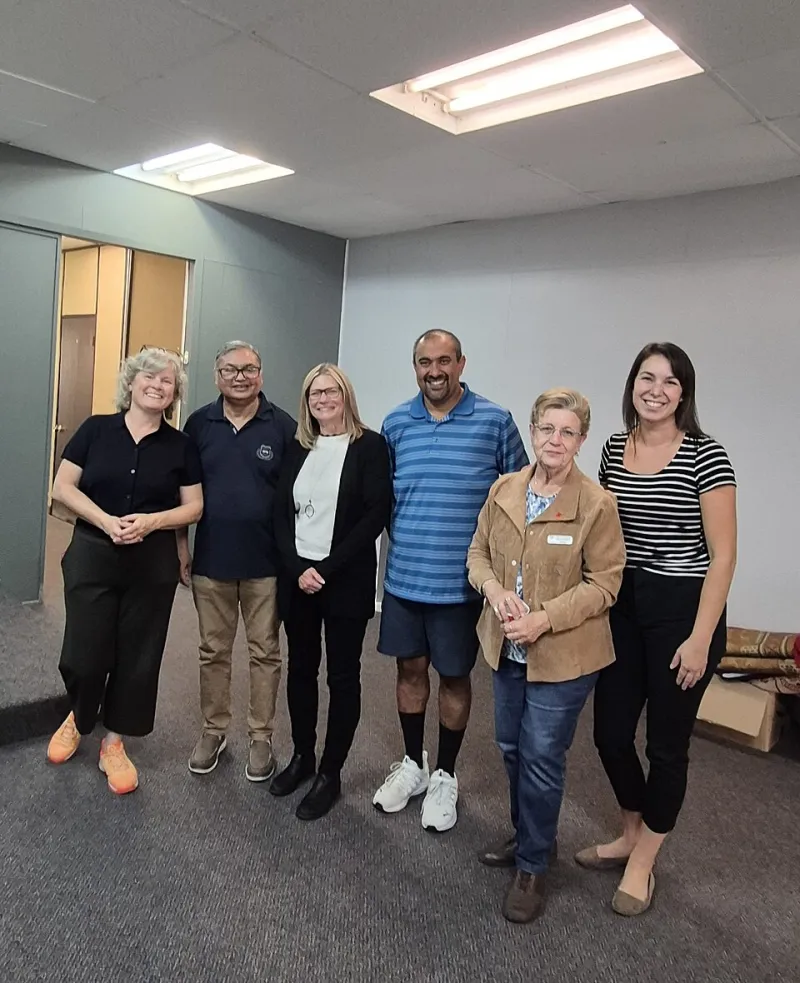
When the Cold Bites: How Mosque Halls Became Winter Infrastructure in 2026
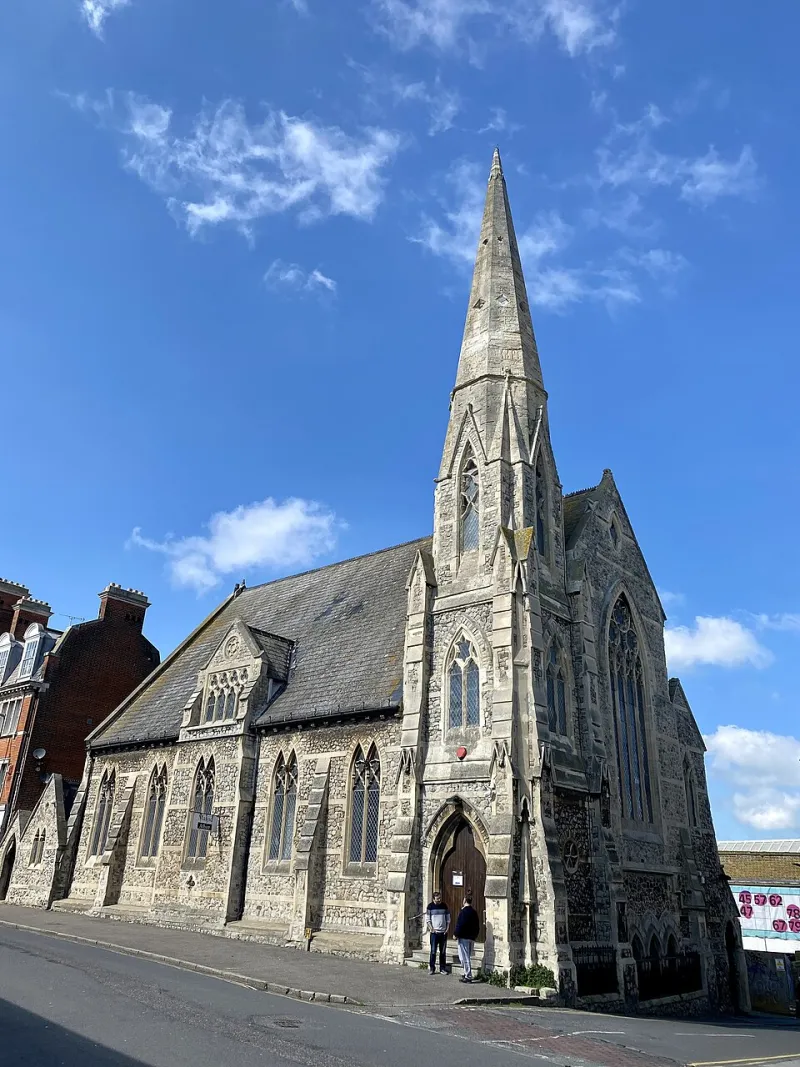
Photo: No Swan So Fine, CC BY-SA 4.0, via Wikimedia Commons
On a grey November morning in Birmingham's Small Heath, the doors of a community hall open earlier than usual. Inside, volunteers are setting out tea, soup and chairs in a room that will later host prayers. The heating is on, the Wi-Fi password is chalked on a board, and a table near the entrance carries leaflets on energy bills, council tax support and food banks. The arrangement is not unusual in 2026. Across the UK, mosques and Muslim community centres have become part of the winter frontline.
A different kind of winter welcome
The warm hub model is simple: a heated space, a hot drink and company for anyone who needs it. But the best examples are more than drop-ins. In Bradford, a mosque in the Manningham area has combined a twice-weekly warm hub with a food drive and a simple referral system for older residents who are struggling with prepayment meters. In Leicester, an interfaith winter project brings together a mosque, a church and a gurdwara to share volunteers and transport. In parts of London, Muslim community centres are hosting energy-support clinics where advisers help residents check tariffs, apply for the Warm Home Discount and contact their supplier.
The common thread is trust. Many people who would not approach a council office or a utility company will talk to someone they know from the mosque. That trust is an asset, but it also carries responsibility. Volunteers are not trained debt advisers, and safeguarding must be taken seriously. The most effective projects have partnered with councils, Citizens Advice-style services or local charities to provide specialist support rather than trying to do everything themselves.
From food parcels to energy advice
Food drives remain a familiar feature of Muslim charitable giving, especially in Ramadan, but winter demand has pushed many centres to adapt. Organisers describe a shift from occasional parcels to regular advice and advocacy. Pensioners on fixed incomes, single parents, disabled residents and low-paid workers are all represented among those seeking help. The energy clinic model has proved particularly useful because it addresses a root cause rather than only the symptom. A volunteer can help a household apply for support, arrange a payment plan or understand a bill that has been estimated incorrectly.
Councils have begun to recognise this work. Some local authorities provide small grants, venue support or training for warm hub volunteers. Public health teams value the model because it reaches people who are isolated and at risk during cold weather. Yet partnerships vary widely. Where relationships are strong, referrals move quickly. Where they are thin, volunteers can find themselves filling gaps that statutory services should occupy.
Partnerships that work, and their limits
Interfaith cooperation has been one of the quieter successes of the 2026 winter response. Shared events, joint volunteer rotas and common training sessions have helped to reduce duplication and build familiarity between communities. For mosques, this work also challenges the idea that faith spaces are inward-looking. A warm hall open to anyone, regardless of belief, is a practical expression of service that resonates with Islamic teaching on care for neighbours.
The limits are equally clear. Short-term grants arrive late and rarely cover core costs such as heating, insurance or staff time. Volunteer burnout is a real risk, particularly in smaller centres with few paid staff. Data protection and safeguarding require proper systems, not improvisation. And there is a risk that seasonal emergency response becomes a substitute for adequate social security, housing and energy policy. Warm halls should complement statutory provision, not replace it.
What sustained support would look like
If policymakers are serious about recognising the role of mosques and community centres, they could start with predictable, multi-year funding for core costs rather than one-off winter grants. They could embed energy advice in community settings through formal partnerships with advice agencies. They could provide training on safeguarding, mental health first aid and benefits referrals. Councils could also make it easier for faith venues to access public buildings, transport and communications networks during cold weather.
None of this is radical. It is the infrastructure of a mature civic society. The voluntary sector has shown what can be done with goodwill and a few resources. The next step is to make that work sustainable beyond the coldest months. A warm hall is a lifeline in January, but the need for advice, connection and dignity does not disappear in April.
Keeping doors open beyond winter
As the 2026 winter settles in, the image of the mosque hall as a place of prayer and shelter is not new, but it has acquired a sharper policy relevance. The doors are open because people have chosen to open them. The task for councils, national government and faith institutions alike is to ensure that those doors can stay open, not only as an emergency gesture but as part of a lasting commitment to community welfare.