Panels and Prayer: How Mosque Climate Teams Are Entering the Planning Debate
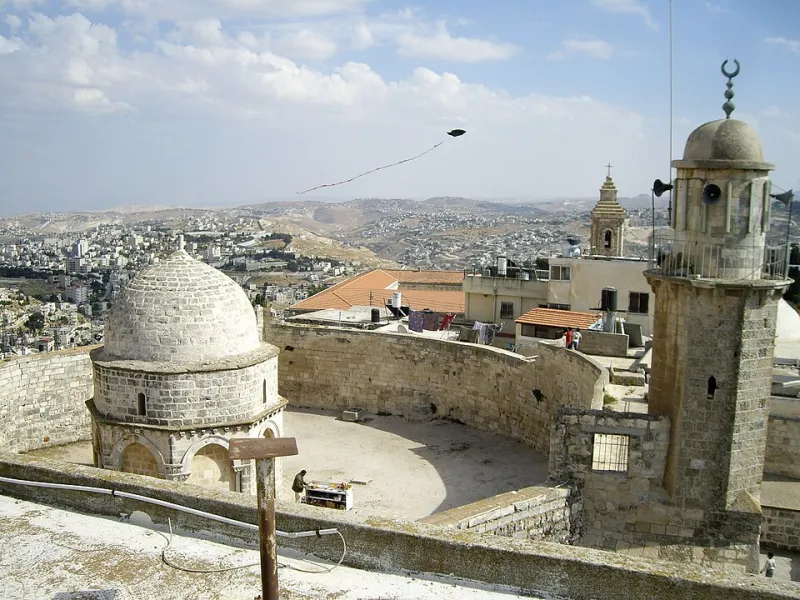
Photo: DYKT Mohigan, CC BY 2.0, via Wikimedia Commons
The meeting starts after Maghrib in a mosque committee room in northern England. On the table are an energy bill, a quote for roof insulation and a hand-drawn plan for a community garden. The agenda is not theology. It is payback periods, planning permission and whether the council's climate officer can attend the next session. This is what Muslim environmental work looks like in 2026: less a slogan than a set of practical questions about buildings, budgets and neighbourhoods.
From roof to retrofit
The first wave of mosque sustainability work was visible and simple: solar panels, LED lighting, better heating controls, water-saving taps. The second wave is more demanding. Committees are commissioning energy audits, exploring retrofit, applying for community energy funds and negotiating with contractors. They are learning to speak in kilowatt hours, carbon savings and maintenance schedules. That language matters because it is the language of local government.
A mosque that installs solar panels is doing more than reducing its bills. It is demonstrating that a faith institution can be a long-term civic partner on climate. In a year when energy costs remain a concern for many congregations, the environmental case and the financial case often point in the same direction. But not every mosque has the capital, the expertise or the building tenure to act quickly. The gap between well-resourced institutions and small congregations is real, and local climate partnerships should not ignore it.
The Ramadan waste test
Ramadan campaigns have become one of the most effective entry points. Food waste, plastic cutlery, water use and recycling during iftar events are visible issues that congregations can measure. A mosque that reduces waste during Ramadan is not solving the climate crisis, but it is building habits and volunteer capacity. It is also creating a relationship with council waste teams, local charities and neighbours who may not otherwise visit the mosque.
That practical focus is important. Climate action in mosques is most credible when it is embedded in the rhythms of worship and community life, not imported as a separate project. A repair café in the community hall, a garden that grows food for the local food bank, a cycle rack that makes the mosque easier to reach without a car: these are small interventions with civic consequences. They show that environmental concern is not an abstract commitment but a way of managing shared space.
Beyond the congregation
The most interesting projects are the ones that open the mosque to people of all faiths and none. Community gardens, repair cafés and energy advice sessions can bring in neighbours who have never entered the building. That builds trust beyond the congregation, which is valuable in itself. It also strengthens the case for Muslim participation in local climate partnerships. A mosque that can show a track record of delivery is harder to dismiss as a single-issue voice.
But there is a risk of overreach. Not every mosque has the space for a garden or the volunteers for a repair café. Not every committee wants to become a climate hub. The credibility of the sector depends on honest claims and realistic projects. A solar array that works is better than a press release that does not. A waste campaign that changes practice is better than a pledge that is never measured.
The planning hurdle
Local climate policy is where these projects meet the machinery of the state. Neighbourhood plans, conservation areas, listed buildings and grid connections can all shape what a mosque can do. A solar array on an older building may require planning negotiation. A community garden may need a lease. A retrofit project may depend on grant funding that is competitive and complex. Councils can smooth the path with pre-application advice, climate officers who understand faith buildings, and funding streams that are accessible to small organisations.
The risk is consultation fatigue. Muslim communities are often invited to climate consultations but not to the decisions that follow. A partnership that consists only of photo opportunities will not build trust. What matters is whether mosque teams have a seat at the table when neighbourhood plans are drafted, when local climate strategies are reviewed and when funding is allocated. That is the difference between engagement and decoration.
A civic climate constituency
In 2026, local climate policy is becoming a test of Muslim public participation. Not because Muslims should be expected to carry the environmental agenda alone, but because climate decisions are local decisions about buildings, transport, waste and open space. Those decisions affect congregations directly. They also offer a route into civic life that is practical rather than symbolic.
The green crescent is less a logo than a question: who gets to shape the neighbourhood plan, and on what terms? Mosque sustainability teams are beginning to answer that question with solar panels, gardens, repair cafés and waste campaigns. Their work deserves recognition, but also scrutiny. The test is whether local partnerships support delivery, share power and respect the limits of volunteer capacity. If they do, Muslim climate teams will not just green their own buildings. They will help define what a fair local climate transition looks like.