Reading the Papers, Shaping the School: Muslim Governors and the Everyday Work of Public Trust
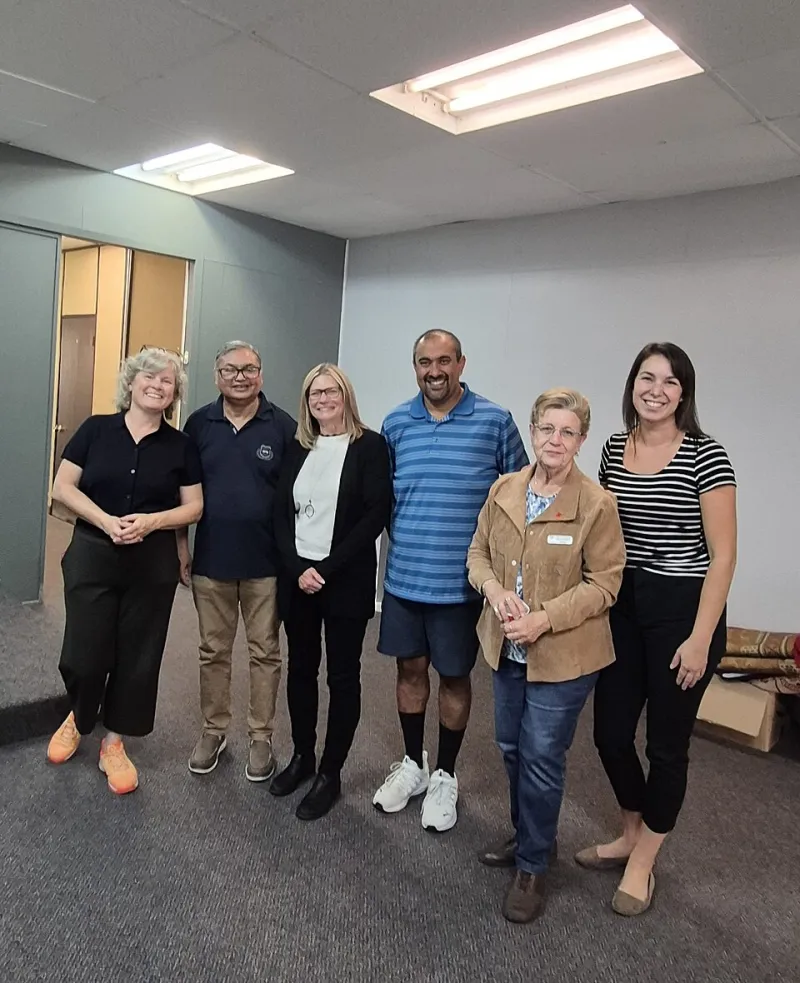
Photo: diverse school governors meeting around a table in a UK state school staff room, papers and coffee cups, natural light, via image.slidesharecdn.com
On a wet Tuesday evening in a Midlands school, a governing board gathers around a table in a room that doubles as a meeting space and a store cupboard. The agenda is not glamorous: attendance data, a staffing restructure, the latest safeguarding audit, and a query about how admissions arrangements will apply to a neighbouring housing development. Yet the decisions taken there will shape the experience of hundreds of children.
School governance is one of the most consequential forms of civic volunteering in England, and one of the least visible. It is also a form of public life in which Muslim communities are increasingly present, though not yet in numbers or with the support that the role deserves. In 2026, as budgets tighten and academy trusts grow, the governor's scrutiny matters more than ever.
A role that reaches further than its title suggests
Governors do not run schools day to day. They appoint headteachers and senior staff, approve budgets, monitor exclusions, review admissions arrangements where applicable, and ask hard questions about curriculum, safeguarding and pupil outcomes. In academy trusts, trustees and local governors divide similar duties. The common thread is stewardship: the board is the place where public money meets public trust.
Muslim governors bring the same skills as any other governor: professional experience, local knowledge, a commitment to children and the willingness to learn. They are not delegates for a mosque or a community organisation. Their legal and moral duty is to the school as a whole. That distinction is vital. A governor who arrives to represent a single interest will struggle; a governor who arrives to serve every child, and who happens to be Muslim, strengthens the board.
Why recruitment is a civic question
Mosque networks have become skilled at mobilising around welfare: winter warmth, burial space, food distribution, bereavement support. Those are essential. But civic participation also includes the quieter committees where policy is made and scrutinised. School governance is a prime example. It teaches how public institutions work, how budgets are set, how complaints are handled, and how communities can hold services to account without undermining them.
For Muslim civic groups, governor recruitment should be treated as core infrastructure, not an optional extra. The pipeline matters. A parent who starts as a parent governor may later become a trustee, a local councillor, or a magistrate. Governance is a school of citizenship in both senses.
The barriers are practical, not philosophical
Ask current governors why more people do not apply and the answers are rarely about theology. They are about time, jargon, confidence and expense. Meetings often fall in the evening after work. Papers can run to dozens of pages. Acronyms multiply. New governors may worry that they lack the expertise to challenge a headteacher or a finance director. Some are put off by the prospect of unpaid work, travel costs, or the fear of being seen as a community representative rather than an independent board member.
These barriers are surmountable. Governing boards can reimburse expenses; many do, though practice varies. Clerks can provide plain-English summaries. Chairs can pair new governors with mentors. Mosques can host information evenings where existing governors explain the role in ordinary language, without overselling it. Recruitment should be broad: women and men, younger adults, people with finance, HR, safeguarding or special educational needs experience, and people who simply know what it is like to navigate a school system as a parent.
What good support looks like
Good support starts with honesty about the commitment. A governor is not a mascot and not a spare pair of hands. The role requires reading, questioning and sometimes disagreeing politely with people who know more than you do. Practical help includes:
- A clear explanation of the time involved: typically a few evening meetings each term, plus training, visits and reading.
- A named mentor for the first year.
- Access to training on admissions, exclusions, safeguarding and school finance.
- Reassurance that governors are not expected to be legal experts or to know every acronym on day one.
- A clear code of conduct that protects independence and explains the difference between scrutiny and loyalty to any external group.
Mosques and Muslim civic organisations can help by advertising vacancies widely, but they should not select candidates on the basis of communal loyalty. The best contribution is to widen the pool of capable people who understand the role and are willing to learn. Schools, for their part, should audit their boards and ask why certain communities are absent. Representation is not about quotas; it is about making sure that the people who govern schools have some lived sense of the families those schools serve.
A quiet test of pluralism
Schools are where a plural society is practised in miniature. Children learn to share a classroom with people whose backgrounds differ from their own. Adults on the governing board should model the same discipline. The governor's table is one of the few places where a parent, a retired teacher, a local businessperson and a faith-community volunteer must reason together about the common good. That is unglamorous work. It is also the work that sustains public trust.
In 2026, Muslim participation in public life will be judged not only by marches and manifestos but by who is willing to read the papers, ask the awkward question, and stay for the whole meeting. The quiet quorum matters. It deserves more attention, and more support, than it currently receives.