The Bench Is Local: Why Muslim Magistrates Matter in 2026
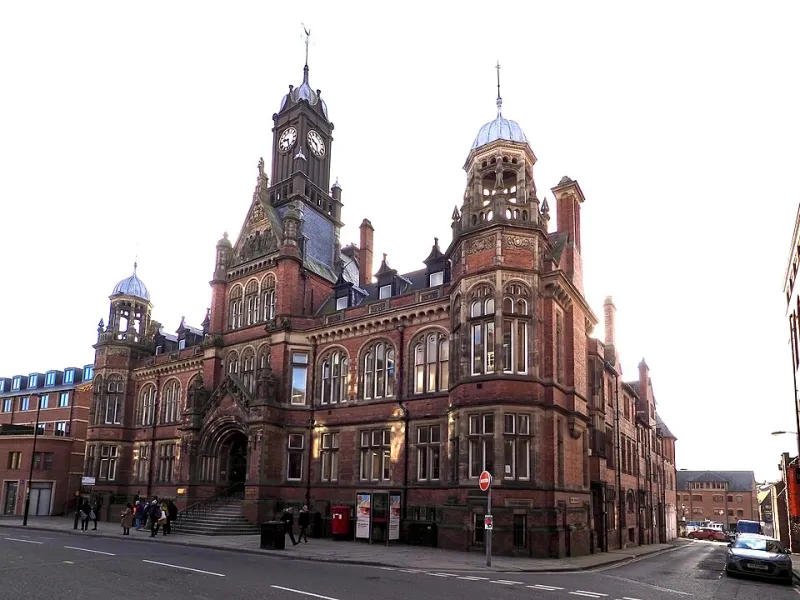
Photo: Malcolmxl5, CC BY-SA 4.0, via Wikimedia Commons
A magistrates' court is not a distant institution. It sits in the town centre, near the bus station, hearing cases about unpaid fines, assault, bail, family breakdown and the small failures and conflicts that mark ordinary life. The people who decide those cases are not paid judges. They are lay magistrates: local volunteers who give up days each month to sit in panels, weigh evidence and apply the law. In 2026, the case for more Muslim magistrates is not about tokenism. It is about the quality of local justice.
A court that looks like the country it serves
England and Wales rely on thousands of lay magistrates. They are appointed from the communities they serve, and they bring a range of experience that no professional judiciary could replicate. The bench should reflect that society. Not because every defendant must share a background with the person judging them, but because public confidence depends on a judiciary that is not drawn from too narrow a slice of the country.
Muslim communities are part of that society. They are claimants, defendants, witnesses, victims and taxpayers. Yet representation on the bench has improved unevenly. Ministry of Justice diversity data has repeatedly shown gaps between the composition of the magistracy and the population it serves. Muslim civic groups should not wait for recruitment campaigns to reach them. They should help write the next chapter.
What magistrates actually do
Magistrates are not judges in the professional sense. They are volunteers, usually sitting in panels of three with a legally qualified adviser. They deal with summary offences, bail decisions, sentencing and some family proceedings. They must be impartial, apply the law of England and Wales, and explain their decisions clearly. They receive training and can claim expenses and loss of earnings. No legal qualification is required. What is required is sound judgment, integrity, commitment and an awareness of social issues.
The role is not an honorary title. It is a demanding civic duty. It involves listening to distressing evidence, managing disagreement with colleagues, and accepting that the law sometimes produces outcomes that feel harsh. That is why the selection process is rigorous. It is also why the role commands respect.
Why representation lags
Recruitment often works through word of mouth and professional networks. People hear about the magistracy from a colleague, a solicitor, or a friend who already sits. Communities outside those networks are less likely to see the role as open to them. Some Muslims may distrust courts that have sometimes felt remote or hostile. Others may fear that their faith identity will be treated as a bias risk rather than an asset.
That fear is understandable but misplaced. A magistrate's faith does not override the oath. Muslim magistrates apply the law of England and Wales, not religious law. Their presence can strengthen impartiality by widening the range of lived experience on the bench. A panel that understands the pressures of a crowded household, a small business or a local mosque is better equipped to assess evidence fairly, not less.
The application process, demystified
Applications are made through the official magistrate recruitment route and considered by local advisory committees. The process includes an application form, references, an interview and character checks. Candidates need to show sound judgment, social awareness, commitment and good character. The time commitment is significant: at least 13 days a year, plus training. Employers are not always required to release staff, but many do. Expenses and loss of earnings allowances exist to reduce the financial barrier.
Demystifying that process is a practical task. Mosques can host sessions with serving magistrates who explain what the interview is like and what the training involves. Civic groups can run mock interviews or help applicants articulate their experience. Local advisory committees can be invited to speak at community events. None of this requires special influence. It requires ordinary outreach.
What mosques can do
- Invite serving Muslim magistrates to explain the role after prayers or at community evenings.
- Translate the basics into plain English and community languages.
- Encourage applicants with no legal background but with steady judgment and time to serve.
- Offer references and mentoring, not pressure to represent the mosque.
- Challenge the idea that the courts are someone else's business.
The last point is the most important. Civic participation is not only about protesting when something goes wrong. It is also about occupying the ordinary roles where public decisions are made. The magistracy is local. It is voluntary. It is open. In 2026, the question is whether enough people will apply.
The risk of staying silent
If Muslim communities leave the bench to others, they should not be surprised when the bench misunderstands them. That is not an argument for identity politics. It is an argument for ordinary participation. The law belongs to everyone who lives under it. So does the responsibility to make it work fairly.
The bench is local. It should also be representative. That will not happen by accident. It will happen when mosques, civic groups and individual Muslims treat the magistracy as a serious calling rather than a closed shop. The case for more Muslim magistrates is, in the end, a case for better local justice.