The New Geography of Influence: Muslim Civic Networks and England’s Metro Mayors
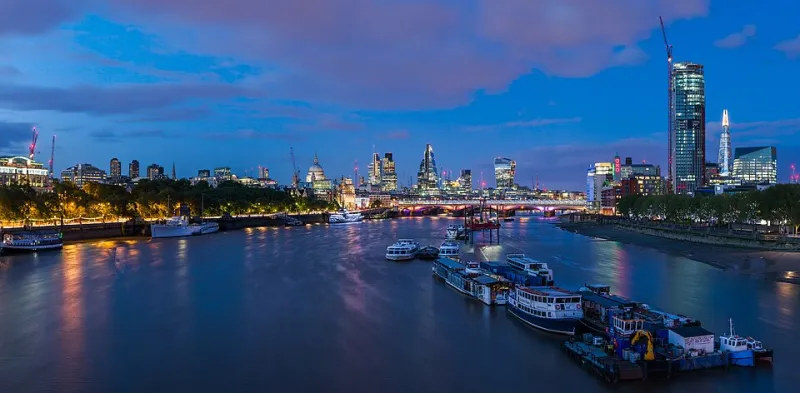
Photo: Diliff, CC BY-SA 3.0, via Wikimedia Commons
For years, the practical grammar of Muslim civic engagement in England was learned at the town hall. Licensing committees, planning boards, school admissions and local scrutiny panels were the rooms where community organisations built expertise. That grammar still matters. But in 2026 it is no longer sufficient. Combined authorities and metro mayors now hold levers over buses, skills, housing investment and strategic planning in large parts of the country, and the communities that understand those levers early will shape the next decade of local public life.
The shift is not a simple transfer of power. Metro mayors are not replacements for council leaders, and combined authorities are not super-councils. Their authority is uneven, negotiated and often exercised through funding agreements, commissioning and convening rather than direct service delivery. Yet the direction is clear. Devolution deals have made the mayoral inbox a genuine destination for civic argument. For Muslim organisations accustomed to campaigning council by council, the new map requires a different kind of literacy.
From the Town Hall to the Combined Authority
The first lesson is institutional. A combined authority is not a single building with a single switchboard. It is a partnership of councils, often with a mayor who chairs a cabinet and sets a strategic direction. Its work runs through boards, commissions and funding programmes that can appear technocratic from the outside. Transport consultations may sit with one body, adult skills funding with another, and housing investment with a third. Muslim civic networks that ask only “who is the leader?” will miss the committee chairs, scrutiny members and officer teams who translate strategy into decisions.
This is where mosque networks have an advantage if they choose to use it. Many have spent years building relationships with councillors and local officers across multiple wards. That relational knowledge can be extended upwards. A mosque committee that knows the bus routes its congregation depends on, or the adult education courses its members need, is already producing the kind of place-based evidence that combined authorities say they lack. The task is to package that evidence for a different audience and a different timetable.
The Inbox as a Civic Tool
The phrase “the metro mayor’s inbox” is not only a metaphor. Mayoral offices receive correspondence, consultation responses and invitations. They also publish strategies, draft funding rules and hold public question sessions. For community organisations, the inbox is a route to ask precise questions: how will the next skills bootcamp allocation reach residents in a particular ward? What does the bus franchising plan mean for an outer-estate mosque with an evening congregation? Where is the mayoral housing investment going, and what conditions attach to it?
These are not abstract concerns. They are the substance of community welfare. A transport decision can determine whether older residents can reach a mosque or a hospital. A skills funding rule can decide whether a women’s group receives the training it needs. A housing investment plan can shape whether a neighbourhood remains mixed and accessible. Muslim civic participation in 2026 therefore needs to move beyond symbolic representation and into the unglamorous work of reading draft strategies and responding to consultations before the deadlines close.
Representation Beyond the Town Hall
There is also a question of who speaks for Muslim communities in the new devolved landscape. No single organisation can claim that role, and it would be unhealthy if one did. The better model is plural: mosque networks, women’s associations, youth groups, advice centres and professional associations each bringing distinct evidence. Combined authorities are used to engaging “stakeholders,” but stakeholder engagement can become a ritual unless it is backed by scrutiny.
Muslim organisations should therefore consider three practical steps. First, map the combined authority’s decision-making architecture, including scrutiny committees and advisory boards. Second, build a small evidence base—transport access, skills take-up, housing pressure, language support—that can be submitted consistently. Third, attend public meetings not only to protest but to ask questions that invite a documented answer. A question on the record is harder to ignore than a private conversation.
Why the Next Public Meeting Matters
The council chamber will remain important. But the next round of public meetings on devolution—transport plans, skills strategies, housing investment—may matter more for the communities that learn to use them. These meetings are often less crowded than council scrutiny sessions and more consequential than they appear. They are where the mayoral agenda is tested before it hardens into budget lines.
For Muslim Britain, the opportunity is not to demand a separate lane but to enter the existing one with preparation. The metro mayor’s inbox is not a promise of influence. It is an invitation to do the work of citizenship in a new institutional setting. The communities that accept that invitation with evidence, patience and a clear sense of the public good will be the ones whose concerns are legible when the next devolution deal is signed.