The 3am Constituency: Muslim Night Workers and the Battle to Be Counted
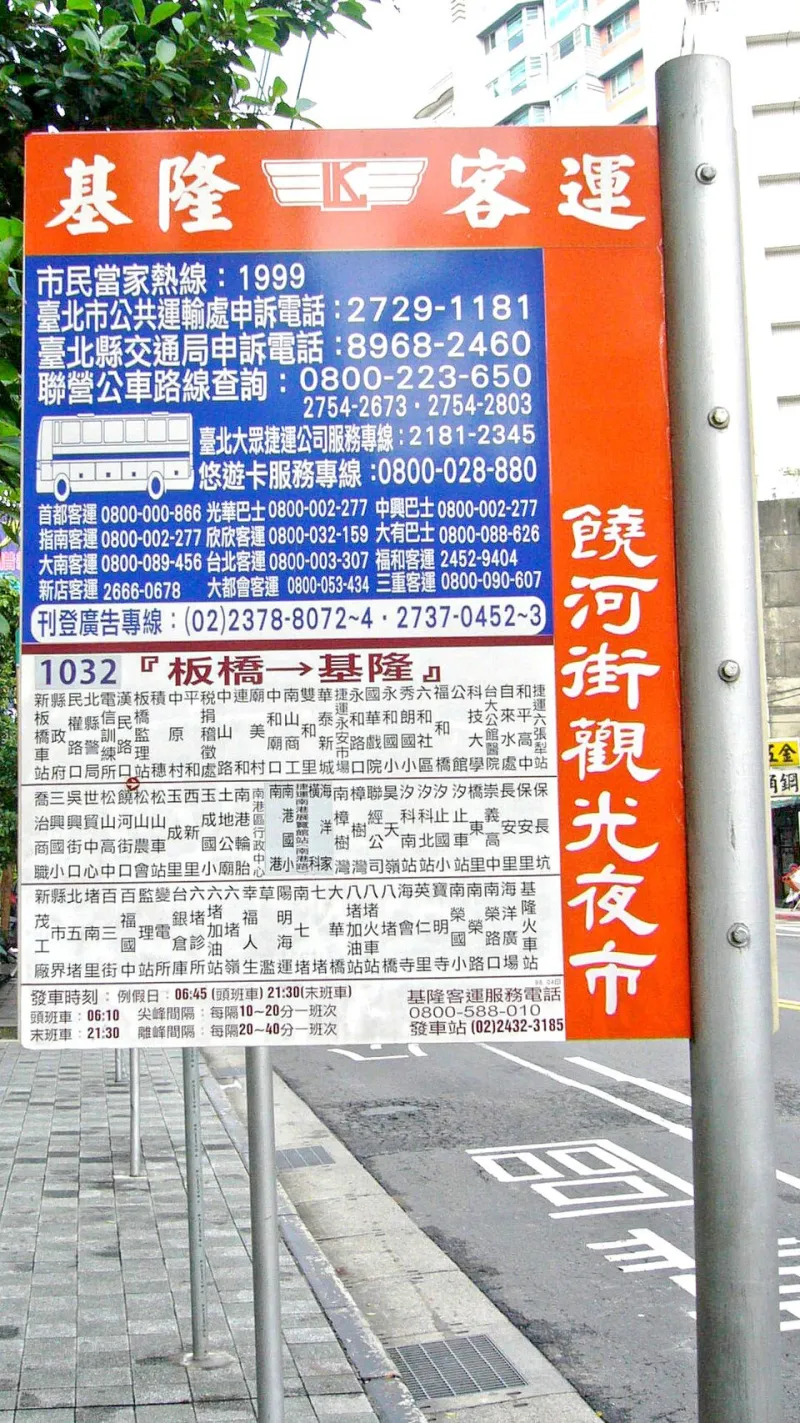
Photo: Solomon203, CC BY-SA 3.0, via Wikimedia Commons
At 3.15am in a Midlands city, a care worker finishes a twelve-hour shift. The bus she needs is scheduled for 3.40am, but the route is under review. The consultation closes on a Friday afternoon. She will not be at the public meeting; she will be asleep, or on another shift. Her journey home is not an abstract question of network efficiency. It is the difference between an hour of rest and an hour of waiting.
The timetable as a civic document
A bus timetable is often treated as a technical artefact, a grid of times and route numbers produced by engineers and reviewed by committees. For thousands of Muslim workers in health, social care, hospitality and logistics, it is a civic document. It records whether public services recognise the rhythm of the night economy and whether the people who sustain it are visible to the authorities that plan it.
Many of these workers are Muslim; many are not. The point is not to claim a special exemption but to insist that a public service should count the people who use it when the city is quiet. When late routes are cut first, the people who clean hospitals, staff warehouses, serve hotel guests and support care home residents absorb the cost privately. A cancelled bus becomes a taxi fare, a missed appointment, a shorter sleep, or a decision to leave a job. These are not marginal inconveniences. They are the practical terms on which essential work is done.
Consultations are not neutral forms
Transport consultations are often presented as open exercises in local democracy. In practice they reward people with time, confidence and broadband. Meetings are held in daytime civic buildings. Online forms ask for postcodes and peak-hour data. Night workers, including many Muslim staff in essential services, are systematically underrepresented in the evidence base that shapes bus networks.
In 2026, as councils and combined authorities review bus networks, franchising arrangements and accessibility audits, the risk is that the night shift appears only as a line in an equality impact assessment. Mosque communities and local Muslim organisations can help close that gap. Noticeboards, Friday announcements, advice surgeries and WhatsApp groups are not substitutes for formal consultation, but they are routes to it. They can help workers submit evidence, understand franchising language and ask precise questions about shift patterns, safety at stops and frequency after midnight.
Franchising and the test of listening
Bus franchising has changed the terms of the debate in several English city regions. It has given mayors and combined authorities more control over routes, fares and standards. That is a democratic opportunity, but only if the public knows how to use it. The test is not whether a consultation website is easy to navigate. The test is whether the resulting network works for a hospital cleaner finishing at 2am, a warehouse operative on a zero-hours shift, or a carer whose route home changes with every roster.
Accessibility audits should ask about lighting, waiting times and personal safety, not only wheelchair ramps and stop heights. Equality impact assessments should include night workers as a group with distinct needs, not as a footnote to commuters. And consultation timetables should include evening and weekend sessions, with paper forms and community venues, so that the people most affected are not excluded by the shape of the process itself.
What mosque communities can do
The most useful contribution is disciplined and practical. Mosques and Muslim organisations can collect short, specific testimonies: which route, which time, which stop, which missed connection. They can invite transport officers to community halls for evening sessions, not to protest but to explain. They can partner with transport user groups and disability organisations, because the case for better night services is broader than any one community. They should avoid speaking as if all Muslims share a single transport interest. The aim is not a faith bloc but a fair hearing.
There is also a role for local Muslim councillors and scrutiny committees. They can ask for night-worker data to be disaggregated, for route changes to be assessed against shift patterns, and for consultation responses to be published in a form that communities can understand. These are modest requests. They are also the kind of requests that turn a consultation from a formality into a genuine test of public service.
For Doa Muslims, this is a natural extension of civic engagement. Public life is not only made in committee rooms. It is made in the ordinary infrastructure that allows people to take part. A transport consultation is a small democratic instrument, but it decides whether the 3am constituency is heard or ignored. The last bus is not a sentimental image. It is a measure of whether the city understands who keeps it running.