The Chair at the Back of the Room: Muslim Patients and the Quiet Work of NHS Scrutiny

Photo: Richard Dorrell, CC BY-SA 2.0, via Wikimedia Commons
A hospital ward closes in stages. First a service specification is redrafted, then a rota is adjusted, then a clinic moves from five days to three, and by the time the change is visible it has already been decided. The same is true of interpreting contracts, antenatal appointment times and the availability of a diabetes specialist who understands fasting. For Muslim patients, the difference between good and poor care is often made in these unglamorous documents, long before anyone stands outside a building with a placard.
In 2026 the scrutiny of those decisions is more fragmented than it once was, and therefore easier to miss. It is also, for exactly that reason, unusually open to people who are willing to turn up.
Where the decisions actually sit
Since integrated care boards took on their statutory role, the architecture has settled into a recognisable shape. Boards commission most services and publish a joint forward plan. Provider trusts run hospitals and community services. Place-based partnerships bring councils, the voluntary sector and clinicians together at borough level. GP practices remain the front door for most patients, and primary care networks hold budgets that determine whether a practice can afford a link worker or an interpreter.
Around all of this sits the scrutiny layer: patient participation groups inside practices, local Healthwatch organisations with a statutory remit to gather views and escalate concerns, patient safety partners inside trusts, foundation trust members, and the local authority health overview and scrutiny committee, which can formally examine substantial service changes. None of these bodies can veto a decision. All of them can slow one down, amend it, or force it into the open.
The smallest and most reachable door
A patient participation group is normally the least intimidating entry point in the entire system. Most practices are required to have one, many struggle to fill it, and meetings often take place in a side room on a weekday evening with six people present. A mosque health team that sends two committed members to a PPG can, within a year, shift how a practice handles appointment reminders, translation, or the timing of clinics during Ramadan.
The practical obstacle is rarely hostility and usually inertia. Groups atrophy because the same four retired patients attend. A short, specific ask — “could the practice publish which languages its staff speak, and how to book an interpreter?” — is more likely to be acted upon than a broad request to improve culturally competent care.
Fasting, and the questions that go unasked
Ramadan exposes the gap between general guidance and lived experience. Patients on medication for diabetes, hypertension or epilepsy need a conversation before the month begins, not during it. Some need their dosing schedule adjusted; some need to know they are exempt; some need a clinician who will not simply say “don’t fast” and end the appointment there.
The scrutiny question is not whether individual clinicians are kind, but whether the system has built the conversation into its calendar. Does the practice send out pre-Ramadan reminders? Is there a pharmacist available for a medication review in the preceding weeks? Are the specialist diabetes teams publishing guidance that imams and mosque welfare volunteers can distribute? These are the points at which patient representatives, Healthwatch reports and integrated care board engagement panels can make an argument that a reasonable adjustment is also a cost-effective one, because unmanaged fasting produces admissions.
Maternity, translation and the cost of a missed sentence
The UK’s confidential enquiries into maternal deaths have for years pointed to persistent disparities in outcomes for women from some minority ethnic backgrounds, and to communication as a contributing factor. Interpreting provision is where scrutiny meets the bedside most directly. A booking appointment conducted through a family member rather than a professional interpreter can mean that a history of mental illness, a previous loss, or a safeguarding concern never reaches the notes.
Patient representatives have learned to ask precise questions. Is the interpreting contract for the whole trust or per department? What is the average wait for a face-to-face interpreter in antenatal clinics? Are staff trained to work with an interpreter rather than around one? Is there provision for British Sign Language and for less common community languages? Are patient information leaflets available in the languages actually spoken in the borough, according to census data? These questions have answers, and the answers are usually written down somewhere.
Mental health, stigma and the referral that never happens
Culturally competent mental health care is the area where patient voice has arguably the least traction and the greatest need. Stigma within families, a preference for speaking to an imam, and a fear of statutory services can combine to delay help until crisis point. Yet the pressure point is often administrative: a single point of access that requires a phone call during working hours, a service that offers only one model of talking therapy, a waiting list long enough that people drop out.
Muslim clinicians working in Improving Access to Psychological Therapies services and community mental health teams have been quietly arguing for years that adaptation is not a luxury. Community scrutiny adds weight to that argument when it can show the pattern across a borough rather than the experience of one distressed family.
From stalls to specifications
Many mosques now run health stalls, blood pressure checks and vaccination drives. These are valuable, and they are also a beginning rather than an end. The next step is to convert community contact into evidence. Numbers of people seen, common concerns raised, languages requested, referrals made — recorded consistently and shared with the local Healthwatch, the health and wellbeing board, and the practice manager, this becomes the raw material of commissioning.
The joint strategic needs assessment, refreshed periodically by councils and their partners, is a public document that shapes what gets funded. Community groups can contribute to it directly through the health and wellbeing board. Very few do.
How to be heard before services change
- Ask your GP practice manager how to join the patient participation group, and attend three meetings before judging it.
- Join your local Healthwatch as a member and read its annual reports and Enter and View findings.
- Sign up to the integrated care board’s engagement register, so consultations arrive in your inbox rather than being discovered afterwards.
- Become a member of your local foundation trust and attend the annual members’ meeting.
- Read the trust’s patient safety partner recruitment notices; these roles are open to lay people.
- Write to the council’s health overview and scrutiny committee when a change is designated “substantial”.
- Use freedom of information requests for interpreting spend, waiting times and engagement costs — the answers are often revealing.
- Feed mosque-collected data into the joint strategic needs assessment through the health and wellbeing board.
The limits of being consulted
It would be dishonest to suggest that participation groups and scrutiny panels decide anything. They advise, question, delay and occasionally embarrass. Commissioners can and do proceed with plans that patients oppose. But the record shows that changes are more often modified than abandoned, and that modification happens when someone has done the reading and turned up consistently.
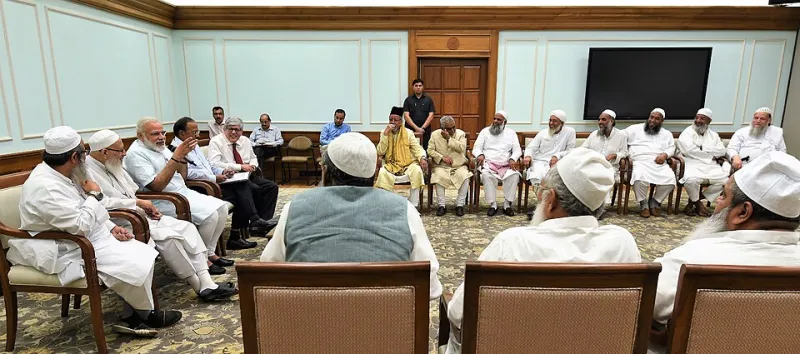
There is a chair at the back of most of these rooms, and it is usually empty. Occupying it, month after month, with a notebook and a specific question, remains one of the most effective things a Muslim community can do for the health of its neighbours.