Desks of Last Resort: Mosque Advice Surgeries and the Boundaries of Local Care
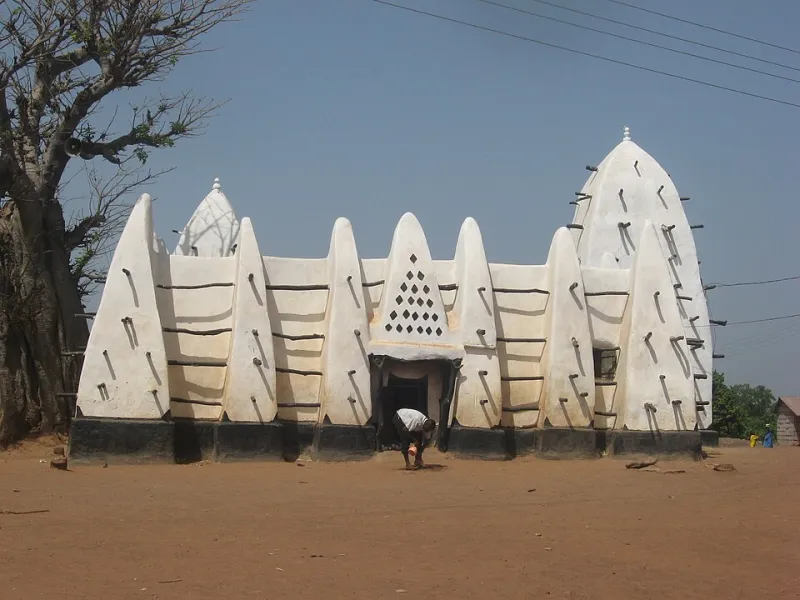
Photo: Haruna Mohammed, Public domain, via Wikimedia Commons
On a wet Tuesday evening in a Midlands city, the side hall of a mosque is doing what a council customer service centre might once have done. A volunteer sits with a folder of paperwork, a laptop and a box of tissues. A woman who has been moved between temporary accommodation and a housing association is trying to understand a letter. A man is checking whether his mother can register with a GP. A teenager is helping an older relative upload evidence for a benefit claim. The table is not a council counter, and the volunteer is not a statutory officer, but the queue is real.
A quiet expansion
Mosque-based advice surgeries are not new. For years, many congregations have offered informal help after prayers: translating a letter, explaining a form, making a phone call. What has changed in 2026 is scale and structure. More mosques now run regular desks with partner charities, accredited advisers, training and referral routes. Some operate weekly; others run pop-ups after Friday prayers or in the evening. The reasons are familiar: pressure on household budgets, a shortage of accessible advice, long waits for housing and benefits decisions, and the difficulty of navigating digital-only services. The mosque hall is trusted, familiar and open at times that fit around work and prayer.
The expansion is not uniform. A large mosque with a community centre may host a full advice session with caseworkers and interpreters. A smaller mosque may offer tea, a printer and a volunteer who knows where to refer. Both are forms of civic hospitality. Neither is a substitute for a properly funded advice sector or a functioning local authority.
What the desks actually do
The practical work is broad. Volunteers help with benefit checks, Universal Credit evidence, disability claim forms, council tax letters, housing repair requests, school admission queries and GP registration. Some desks help with immigration paperwork, but the boundary here is important. General information is not regulated immigration advice. Unless a volunteer is supervised by an Office of the Immigration Services Commissioner-registered organisation, they should not be advising on applications, appeals or status. Good desks know this. They refer complex cases and keep records.
That distinction matters because the language of advice can blur. A desk that helps someone scan documents is offering practical support. A desk that tells someone how to challenge a decision may be giving casework. A desk that advises on immigration status is entering regulated territory. The most credible mosque surgeries in 2026 are those that understand the difference, train their volunteers, and work under a partner organisation with proper oversight.
The council lesson: signposting is not a service
Councils have something to learn from these desks, but the lesson is not that mosques can replace statutory services. The lesson is that trust, timing and language matter. A referral pathway that works is one that reaches people where they already are. A council that wants to improve take-up of local support may find that a mosque desk can explain it better than a leaflet. A housing department that wants to reduce failed appointments may find that a familiar hall is less intimidating than a civic centre.
But signposting is not a service. A council that points residents to a mosque desk without funding advice quality is shifting risk onto volunteers. A mosque that accepts public money without clear expectations is taking on responsibilities it cannot carry. What works is a service-level agreement: small grants for training, supervision and equipment; clear referral routes into statutory teams; data protection protocols; and feedback loops so that councils hear where the system is failing. That is partnership. It is not outsourcing.
Where hospitality ends and accountability begins
The boundary between faith-space hospitality and statutory responsibility should be drawn clearly. A mosque can offer privacy, a warm room, a phone, a printer and a volunteer who listens. It can host a partner charity. It can help someone prepare for an appointment. It cannot absorb the legal duties of a housing authority, the NHS or the Home Office. It should not be asked to adjudicate eligibility or to provide a cheaper alternative to legal aid.
There are also questions of impartiality, safeguarding and data. Advice desks should not become spaces where access to help depends on religious participation. They should not collect more personal data than necessary. They should have a clear policy on confidentiality. And they should be honest about what they cannot do. The most respectful form of hospitality is not a promise that everything can be solved; it is a promise that no one will be turned away without a next step.
A covenant, not a substitute
In 2026, mosque advice surgeries are a sign of civic resourcefulness. They show congregations responding to need with seriousness and skill. But they also expose a gap. When the state's front door is hard to find, people look for another one. The answer is not to celebrate the mosque desk as a replacement for public services. The answer is to recognise its value, fund its quality, and protect its limits.
A new covenant between councils and mosques would start with honesty. Mosques should not be left to plug statutory gaps with goodwill. Councils should not treat faith halls as free customer service centres. Residents should be able to get help without being passed from pillar to post. The front desk should be a bridge, not a border. That is the test for local public services in 2026: whether partnership protects both the person at the table and the public duty behind it.